
What was the European Spa Phenomenon?
The European spa phenomenon developed throughout the 18th, 19th and early 20th centuries.
Ideas around health, medicine and curing were changing, becoming intertwined with leisure. There was an increasing awareness of the importance of enjoying free time, socialising and relaxing. The positive impacts of leisure time on mental and physical health supported medical treatments and spa therapies.
People travelled to spa towns from across the world, creating environments where cultures crossed. Different classes mingled in an unprecedented manner and ideas flowed easily across the usual social boundaries. Spa towns had unique atmospheres, with a fluidity that allowed social structures to be reshaped.
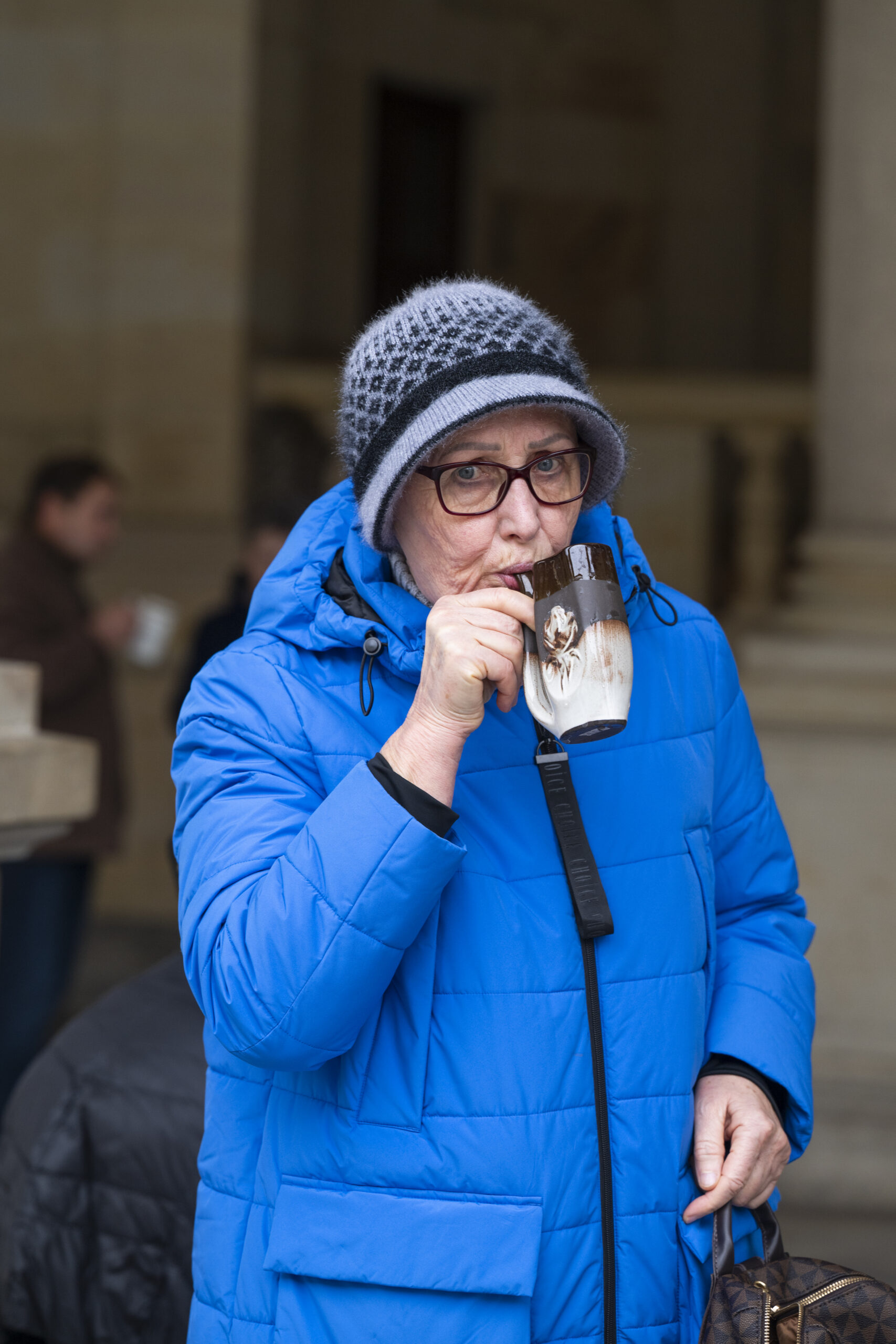


During the European spa phenomenon, behaviours were changing across society, such as:
– Travelling for leisure for the first time, as opposed to travelling for business
– People mingling with different classes, cultures, nationalities and genders, whose paths would not have otherwise crossed outside the spa towns
– Spending time outdoors on walks, enjoying being in nature, observing wilderness from lookout towers (nature was previously considered wild and dangerous)
– Travelling for long periods, spending three to six months in the spa town
– Courting and dating, as visitors searched for and met partners in the spa towns. The concept of Der Kurschatten (the cure shadow) describes the romantic dalliances that took place during the golden age of spa towns and still do today
– Socialising in the spa towns and being close to the news, at a time when newspapers were printed and news travelled slowly
– Enjoying leisure time as a part of healing. Sometimes taking treatments or drinking the waters became an excuse for spending time in the spa towns, which were fashionable resorts and beloved hot spots of the time
– A new consumer culture in Europe, where new ideas, goods and developments were exchanged across borders and social boundaries
This trait inscribed The Great Spa Towns of Europe with Outstanding Universal Value according to the World Heritage Convention’s criterion (iii) — ‘Bear a unique or at least exceptional testimony to a cultural tradition or to a civilization which is living or which has disappeared’.

Spa Town Culture
The Great Spa Towns of Europe can be viewed as ‘culture-creating’ resorts.
The eleven spa towns have been celebrated for centuries for the cultural developments that arose within them, alongside therapeutic practices and social rituals that have shaped European health and leisure culture.
This spans science (medicine, geology and hydrology); art (music, literature and painting); architecture and urban design (buildings and towns designed around mineral springs); politics (the spa towns were spaces for informal diplomatic meetings); and a cultural tradition that emerged with the European spa phenomenon.
As resorts and popular destinations for spa guests and visitors, The Great Spa Towns of Europe contributed substantially to the foundation of modern mass tourism.


Artistic and literary values
The Great Spa Towns of Europe also attracted an unusual and exceptional concentration of leading artists, composers and musicians, writers and poets who found inspiration and a congenial place in which to work and perform.
From the architect to garden designer, and from the casino to the music pavilion, The Great Spa Towns of Europe became important vectors of transnational cultural transfer.
The interchange of human values contributed to the shaping of modern European thought and culture. This trait inscribed The Great Spa Towns of Europe with Outstanding Universal Value according to the World Heritage Convention’s criterion (ii) — ‘Exhibit an important interchange of human values, over a span of time or within a cultural area of the world, on development in architecture or technology, monumental arts, town-planning or landscape design.’
During the European spa phenomenon, behaviours were changing across society, such as:
– Travelling for leisure for the first time, as opposed to travelling for business
– People mingling with different classes, cultures, nationalities and genders, whose paths would not have otherwise crossed outside the spa towns
– Spending time outdoors on walks, enjoying being in nature, observing wilderness from lookout towers (nature was previously considered wild and dangerous)
– Travelling for long periods, spending three to six months in the spa town
– Courting and dating, as visitors searched for and met partners in the spa towns. The concept of Der Kurschatten (the cure shadow) describes the romantic dalliances that took place during the golden age of spa towns and still do today
– Socialising in the spa towns and being close to the news, at a time when newspapers were printed and news travelled slowly
– Enjoying leisure time as a part of healing. Sometimes taking treatments or drinking the waters became an excuse for spending time in the spa towns, which were fashionable resorts and beloved hot spots of the time
– A new consumer culture in Europe, where new ideas, goods and developments were exchanged across borders and social boundaries
This trait inscribed The Great Spa Towns of Europe with Outstanding Universal Value according to the World Heritage Convention’s criterion (iii) — ‘Bear a unique or at least exceptional testimony to a cultural tradition or to a civilization which is living or which has disappeared’.
Spa Town Culture
The Great Spa Towns of Europe can be viewed as ‘culture-creating’ resorts.
The eleven spa towns have been celebrated for centuries for the cultural developments that arose within them, alongside therapeutic practices and social rituals that have shaped European health and leisure culture.
This spans science (medicine, geology and hydrology); art (music, literature and painting); architecture and urban design (buildings and towns designed around mineral springs); politics (the spa towns were spaces for informal diplomatic meetings); and a cultural tradition that emerged with the European spa phenomenon.
As resorts and popular destinations for spa guests and visitors, The Great Spa Towns of Europe contributed substantially to the foundation of modern mass tourism.
Artistic and literary values
The Great Spa Towns of Europe also attracted an unusual and exceptional concentration of leading artists, composers and musicians, writers and poets who found inspiration and a congenial place in which to work and perform.
From the architect to garden designer, and from the casino to the music pavilion, The Great Spa Towns of Europe became important vectors of transnational cultural transfer.
The interchange of human values contributed to the shaping of modern European thought and culture. This trait inscribed The Great Spa Towns of Europe with Outstanding Universal Value according to the World Heritage Convention’s criterion (ii) — ‘Exhibit an important interchange of human values, over a span of time or within a cultural area of the world, on development in architecture or technology, monumental arts, town-planning or landscape design.’
During the European spa phenomenon, behaviours were changing across society, such as:
– Travelling for leisure for the first time, as opposed to travelling for business
– People mingling with different classes, cultures, nationalities and genders, whose paths would not have otherwise crossed outside the spa towns
– Spending time outdoors on walks, enjoying being in nature, observing wilderness from lookout towers (nature was previously considered wild and dangerous)
– Travelling for long periods, spending three to six months in the spa town
– Courting and dating, as visitors searched for and met partners in the spa towns. The concept of Der Kurschatten (the cure shadow) describes the romantic dalliances that took place during the golden age of spa towns and still do today
– Socialising in the spa towns and being close to the news, at a time when newspapers were printed and news travelled slowly
– Enjoying leisure time as a part of healing. Sometimes taking treatments or drinking the waters became an excuse for spending time in the spa towns, which were fashionable resorts and beloved hot spots of the time
– A new consumer culture in Europe, where new ideas, goods and developments were exchanged across borders and social boundaries
This trait inscribed The Great Spa Towns of Europe with Outstanding Universal Value according to the World Heritage Convention’s criterion (iii) — ‘Bear a unique or at least exceptional testimony to a cultural tradition or to a civilization which is living or which has disappeared’.
Spa Town Culture
The Great Spa Towns of Europe can be viewed as ‘culture-creating’ resorts.
The eleven spa towns have been celebrated for centuries for the cultural developments that arose within them, alongside therapeutic practices and social rituals that have shaped European health and leisure culture.
This spans science (medicine, geology and hydrology); art (music, literature and painting); architecture and urban design (buildings and towns designed around mineral springs); politics (the spa towns were spaces for informal diplomatic meetings); and a cultural tradition that emerged with the European spa phenomenon.
As resorts and popular destinations for spa guests and visitors, The Great Spa Towns of Europe contributed substantially to the foundation of modern mass tourism.
Artistic and literary values
The Great Spa Towns of Europe also attracted an unusual and exceptional concentration of leading artists, composers and musicians, writers and poets who found inspiration and a congenial place in which to work and perform.
From the architect to garden designer, and from the casino to the music pavilion, The Great Spa Towns of Europe became important vectors of transnational cultural transfer.
The interchange of human values contributed to the shaping of modern European thought and culture. This trait inscribed The Great Spa Towns of Europe with Outstanding Universal Value according to the World Heritage Convention’s criterion (ii) — ‘Exhibit an important interchange of human values, over a span of time or within a cultural area of the world, on development in architecture or technology, monumental arts, town-planning or landscape design.’
Scientific, Medical and Geological Values
At their scientific core, spa doctors, physicians and balneologists brought forward advances in medicine, medical diagnostics and analytical chemistry of world significance.

Geological discoveries were also made in the rich natural landscapes surrounding the spa towns. Komorní hůrka Hill, located in the Czech-Bavarian Geopark Egeria, was visited and studied by prominent world scientists. At the end of the 18th and beginning of the 19th century, geologists did not yet understand how rocks are formed. They were divided into two rival camps – the so-called Neptunists and the Plutonists. The German poet, Johann Wolfgang Goethe, visited Komorní hůrka Hill several times and took part in the scientific controversy around its origins. His repeated visits are commemorated with an inscription.
Political and social values
Many of Europe’s cultural elite made the spa towns their regular home for the season. They can still be seen today, sometimes depicted in casual dress as befits the spa setting, in statues and memorials in squares promenades and parks. In the German spa town of Bad Ems, the monument to Emperor Wilhelm I was the first of just a few to depict him in civilian clothing. The usual social barriers were relaxed in spa towns; diplomats, kings, princes and the like would mingle with civilians in ‘normal’ clothes.
These popular, fashionable, ambitious, trend-setting and high capacity resorts with high standards of hospitality became important centres for diplomatic activity that helped to shape modern Europe. Hotels and palatial villas, the conference centres of their time bear testimony to historic events that changed the world. It is this unique combination of attributes that highlights this group of eleven spa towns as being particularly special.

From 1874, the spa benefited from visits of the Imperial Chancellor Otto von Bismarck. The Kissingen Diktat of 1877 outlining Bismarck’s foreign policy was drafted here. In 1913, the last year before World War I, in consideration of the high number of Kurgäste (guests taking the cure) Bad Kissingen was ranked third, after Wiesbaden and Baden-Baden.
Bismarck purposefully profited from the special cultural conditions of a ‘Great Spa’, like the extraordinary tolerance for informal political meetings and talks with diplomats and scientists. These talks taking place in the Upper Saline resulted in, among others, the worldwide exemplary social insurances (health insurance in 1883, accident insurance in 1884, disability insurance and old-age insurance in 1889), the verbalisation of a European peace framework (“Kissinger Diktat” in 1877) and the political support of Heinrich Schliemann’s archaeological excavations in Troy.
The living quarters of Bismarck have been preserved unchanged and are today part of the Museum Obere Saline with Bismarck Museum.
Internationalism
Internationalism was omnipresent in the “Cafés”, “Salons” and “Summer Capitals” of Europe, which had become neutral places.
A network of cultural coexistence ran through the towns, one that avoided the vagaries of politics and and was characterised by the ease with which ideas and people flowed across geographical boundaries.
Internationalism in The Great Spa Towns of Europe was displayed in many ways:
– Magnificent and luxurious buildings, where all the international trends in architecture were able to blossom
– Buildings that belonged (and still belong) to international communities – from religious buildings to international hotels and villas catering to international visitors and residents (international papers were often available in the hotels too)
– The spoken language was commonly multi-lingual, which was essential for the quality of welcome and hospitality to a cosmopolitan clientele. This was also true for guidebooks, publications and papers
– Foreign money was routinely accepted and post offices were essential
– Parks and gardens where English, (and later, Swedish) designs were implemented
– International sports were played in the towns’ open spaces, and international tournaments became part of the spa calendar
– The network of spa towns contributed to a dense network of international railways
– Resort actors shared a very early circulation of ideas, habits, medical innovations and architectural innovations
