
What is The Great Spa Towns of Europe?
The Great Spa Towns of Europe is a UNESCO World Heritage Site comprising eleven famous spa towns across seven countries. Together, they form one ‘property’.
In 2021, The Great Spa Towns of Europe was inscribed as a UNESCO World Heritage Site, marking its global significance and recognising the qualities that transcend national and temporal boundaries.
These towns were built around natural sources of curative mineral water. Legends surround the findings of these healing springs, and many were used since Roman antiquity. The towns developed to become holistic places of wellbeing, marrying the health benefits of mineral water with exercise, diet, nature, socialising and more. The towns gained their highest expression between 1700 and 1930 and are now emblems of the heyday of the European spa phenomenon.
The UNESCO Traits of Each Great Spa Town

International Wellbeing Resorts
Attracting visitors from across the world, the Great Spa Towns became vibrant centres of internationalism and cultural exchange.
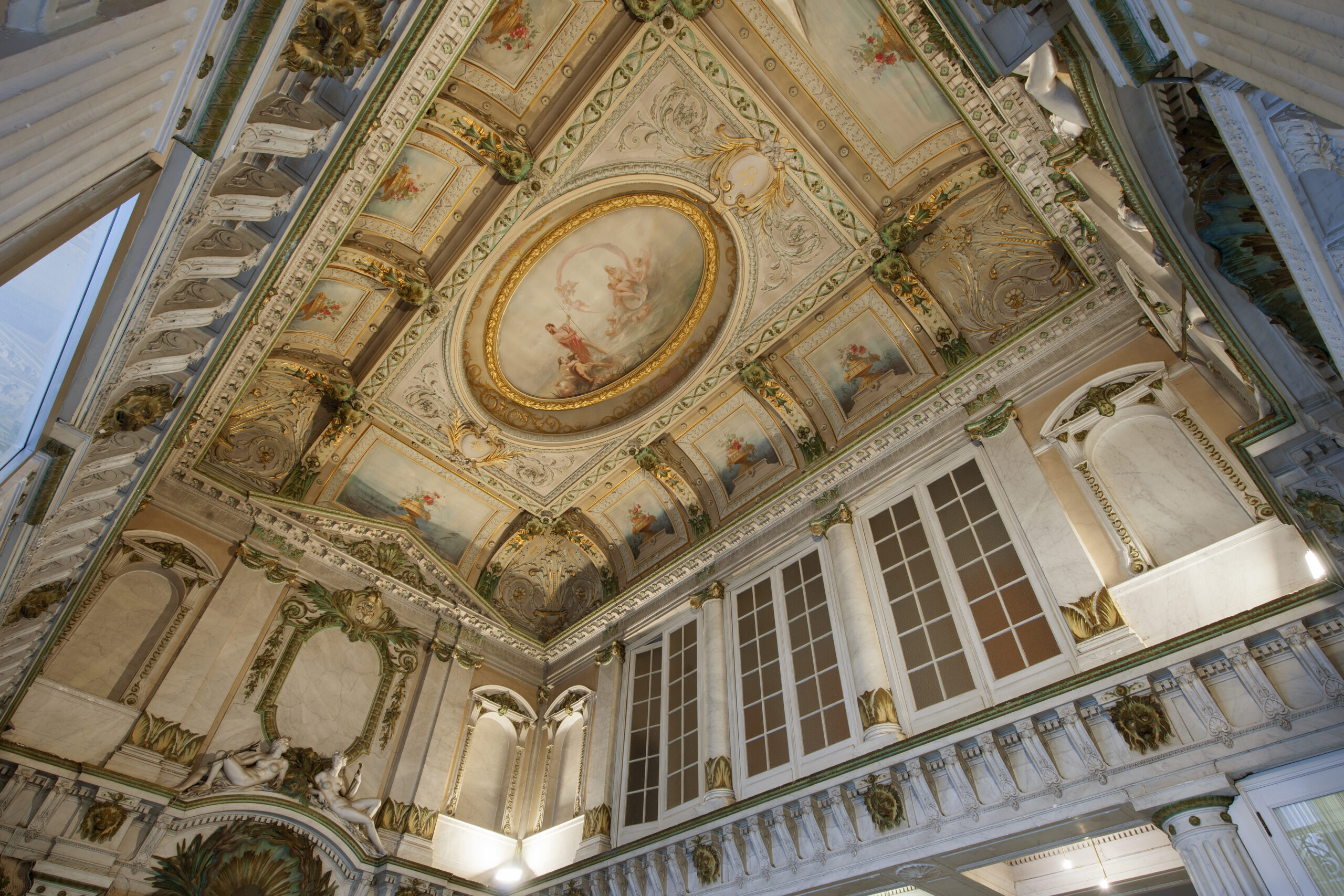
Buildings that belong to international communities – from religious buildings to international hotels and villas – were built, languages from across the world were used, newspapers in multiple languages were available in hotels and a large variety of currencies were used. All the international trends in architecture were used, creating magnificent and luxurious buildings and pioneering new designs.
Centres for Culture
The Great Spa Towns of Europe attracted an unusual and exceptional concentration of leading artists, composers and musicians, writers and poets who found inspiration and a congenial place in which to work and perform. Some of the most notable artists and philosophers throughout European history – including Chopin, Beethoven, Strauss, Goethe and Rudyard Kipling – had regular spa stays in the towns.
The Great Spa Towns of Europe influenced key developments in art, medicine, politics and philosophy, and shaped modern European thought and culture.
This trait inscribed The Great Spa Towns of Europe with Outstanding Universal Value according to the World Heritage Convention’s criterion (ii) — ‘Exhibit an important interchange of human values, over a span of time or within a cultural area of the world, on development in architecture or technology, monumental arts, town-planning or landscape design.’

Sustainable
From their conception, the component towns were designed to harmonise with the natural environment and operate as inherently sustainable models, setting a precedent for eco-conscious development and sustainable tourism today.

Inclusive
As innovative centres for medicine, balneology and leisure, The Great Spa Towns of Europe provided health care for everybody. They embodied the philosophy of the Enlightenment and established the concept of a welfare state. This sparked the transformation of European society through the reduction of the gap between the aristocracy and a growing middle class.

Political and Trend-Setting
Many of Europe’s cultural elite made the spa towns their regular home for the season, including royal families, emperors, aristocracy, diplomats and politicians. These fashionable, ambitious and trend-setting resorts became important centres for diplomatic activity that helped to shape modern Europe.
Away from the capital cities, these calming towns had major historic events that changed the course of history take place in their hotels and palatial villas; the conference centres of their time.

New Urban Typology
Each of the Great Spa Towns has a unique urban typology, which developed around the therapeutic use of mineral waters. The urban design, layout, architecture and public transport of these towns has a specific form, function and remarkable architecture that has no earlier parallel.
Urban space was designed in harmony with the natural landscape, creating a town completely dedicated to ‘taking the cure’, relaxation, wellness and enjoyment. This pioneered the intersection of urban planning, social space and wellbeing – and is the only example of urbanisation around a medical practice.
The Key Elements of a ‘Great Spa Town’

Spaces for social activities, arts and culture, such as assembly rooms, ‘kurhaus’, casinos, theatres, opera houses and glorious parks and gardens with music pavilions.

Accommodation for international spa clients, including the most prestigious hotels, guest houses and villas with international languages, newspapers and currencies in use.

Spa architecture – a distinct design of buildings that enable people to take the cure, including taking the waters in bathhouses, pump rooms, drinking halls and prototypes such as spring pavilions and the ‘kurhaus’.

Professional medical practitioners skilled in spa medicine, balneology and leisure therapies.

Specific spa town infrastructure, including mineral water supply pipelines, salt and mineral extraction facilities, mineral water bottling plants, early railways and funiculars, hospitals, laundries, administrative buildings, pumping stations and water distribution networks.

A highly developed and carefully managed urban design. The urban typology of these spa towns are innovative and spa-specific, with the town arranged around the mineral springs and activities. This was a completely new typology with no earlier parallel.

Intangible values, such as internationalism, cultural coexistence and the interchange of ideas and innovations, which shaped developments across medicine, politics, arts and culture.

A therapeutic spa landscape, with beautiful, calming open spaces and settings, including woodlands, landscaped parks, walking paths, promenades and colonnades through the town. These were designed to take gentle exercise, sport and leisure as a contribution to the therapy of taking the cure.

A continuing spa function across the town today. The town must still be in use as a spa town for tourists, with living traditions around ‘taking the cure’ still taking place, such as the continued use of spa facilities and springs.