
Responsible Tourism
Responsible travel was integral to The Great Spa Towns of Europe from the moment they were created. Even hundreds of years ago, our ancestors understood that travelling in harmony with the natural environment, local community and cultural traditions were important for good health and wellbeing.
Today, we hear and see the phrase ‘responsible tourism’ very often, but it can be a confusing term. It is often mixed up with similar concepts, such as ecotourism and sustainable tourism.
Each concept is slightly different, but they all share a vision; a more conscious way of travelling that respects local people, doesn’t damage the environment and enriches the travel experience in a meaningful way.
Ecotourism
Ecotourism emerged in the 1980s as a response to mass tourism.
As holiday resorts and large-scale developments rose up around the world (often causing social, economic and environmental problems), ecotourism was considered the antidote.
It aimed to bring people back to nature, highlighting natural, untouched and wild environments.
The leading Mexican architect and environmentalist Hector Ceballos-Lascurain defined ecotourism in 1983; “travelling to relatively undisturbed natural areas with the specific object of studying, admiring and enjoying the scenery and its wild plants and animals”.
Ten years later, he added to the definition of ecotourism to include local communities too, describing a form of tourism that “promotes conservation, has low negative visitor impact, and provides for beneficially active socio-economic involvement of local populations”.
Sustainable Tourism
Sustainable tourism is about creating a balance – putting back as much as we take. The original definition of sustainability is “Being able to meet the needs of present generations without compromising the needs for future generations.”
However, sustainability and tourism do not always go hand-in-hand easily. It’s very difficult to be completely sustainable when you travel.
For example, any transport to a destination will contribute to carbon emissions. Does this mean planting a tree for every journey you make to offset carbon emissions? How quickly (or genuinely) can a traveller lessen their environmental impact? Sometimes, the more ‘sustainable’ alternatives are very expensive.
Responsible Tourism
Responsible tourism accepts that tourism will have both positive and negative impacts on the destination.
The environment, communities, residents and the local economy will benefit and be harmed by tourism.
To travel responsibly is about trying to maximise the benefits of tourism and minimise the negative impacts.
Community-Based Tourism
Community-based tourism is one way to travel responsibly. Community-based tourism is a tourist product or an experience for visitors that is created by local communities themselves, instead of external travel agents or tour operators.
This means the tourist experiences are the things locals want to promote – for example, travelling to a lesser-known part of the region (which prevents overtourism and spreads the tourist’s economic benefits).
Culturally-immersive experiences and trips with local guides are examples that directly support local residents, local businesses and their livelihoods.
Because the locals know best, community-based tourism often creates more meaningful, genuine travel experiences, where tourists can even connect with locals and experience the destination in a more authentic way.
Slow Tourism
Slow tourism is a newer concept that responds to our culture of rushing and convenience. It crosses over with responsible tourism and puts more emphasis on the traveller’s wellness too.
Slow Village describes slow tourism as “an alternative travel model that promotes the local economy, environmental protection and social initiatives.”
Travel can often include a sense of burning out, as tourists often want to make the most of their holiday. While cramming lots of activities and sightseeing into an itinerary means you don’t miss anything out, often, these experiences feel rushed. Travellers may often feel like they didn’t experience it at all, because they were so busy trying to tick off a wish list.
Slow travel is about being mindful. Taking more time to experience fewer things means a holiday feels more like quality time is well-spent. This concept doesn’t need lots of time; a few days, a week, a month or more can all be spent slow travelling. It is more of an approach to holidaying which means fully immersing yourself in a destination’s surroundings, people and heritage – discovering them in a deeper way.
Slow travel crosses over with responsible tourism because it encourages moving around less and staying longer in a destination, which reduces the costs and carbon emissions of transportation. It also encourages meeting with the local population (restauranteurs, craftspeople, farms and vineyards) to leave room for the unexpected – getting away from an itinerary and going with the flow.
When done correctly, responsible travel can create better holiday experiences for tourists and visitors.
At the same time, it can play a role in helping destinations become better places for locals after the tourists have left.
Even hundreds of years ago, our ancestors understood that protecting the natural environment, community and traditions were important to health and wellbeing.
The Great Spa Towns of Europe were international wellbeing resorts that pioneered modern tourism.
Because they developed around natural sources of mineral water, the towns were built to protect the local environment.
The natural wildlife, woodland, parks and landscapes were all considered important to preserve, because being in untouched nature was a vital part of promoting wellbeing.
As small towns, often far away from Europe’s capital cities, The Great Spa Towns of Europe were also self-sufficient. Local produce, local public transport and local businesses were the core of these historic spa towns.
Walking within the spa town was a key part of ‘taking the cure’ – our ancestors recognised the healing benefits of gentle exercise. That’s why footpaths, promenades and colonnades were a carefully-considered part of the urban design. You won’t often see cars, cruise ships or disruptive vehicles in The Great Spa Towns of Europe, because walking was always encouraged!
Situated in the cooling forests of West Bohemia, the Czech town of Mariánské Lázně is known as a ‘climatic spa’. This is the highest achievable level in a place with regularly monitored and certified clean air.
Mariánské Lázně’s clean air is used as a natural healing resource to treat cardiovascular issues of spa guests, tourists and visitors.
This clean air is one example of why the natural environment has always been cared for in The Great Spa Towns of Europe – it is part of ‘taking the cure’! These towns were carefully designed to integrate and harmonise with the landscape and local cultural traditions, without damaging them.
People First
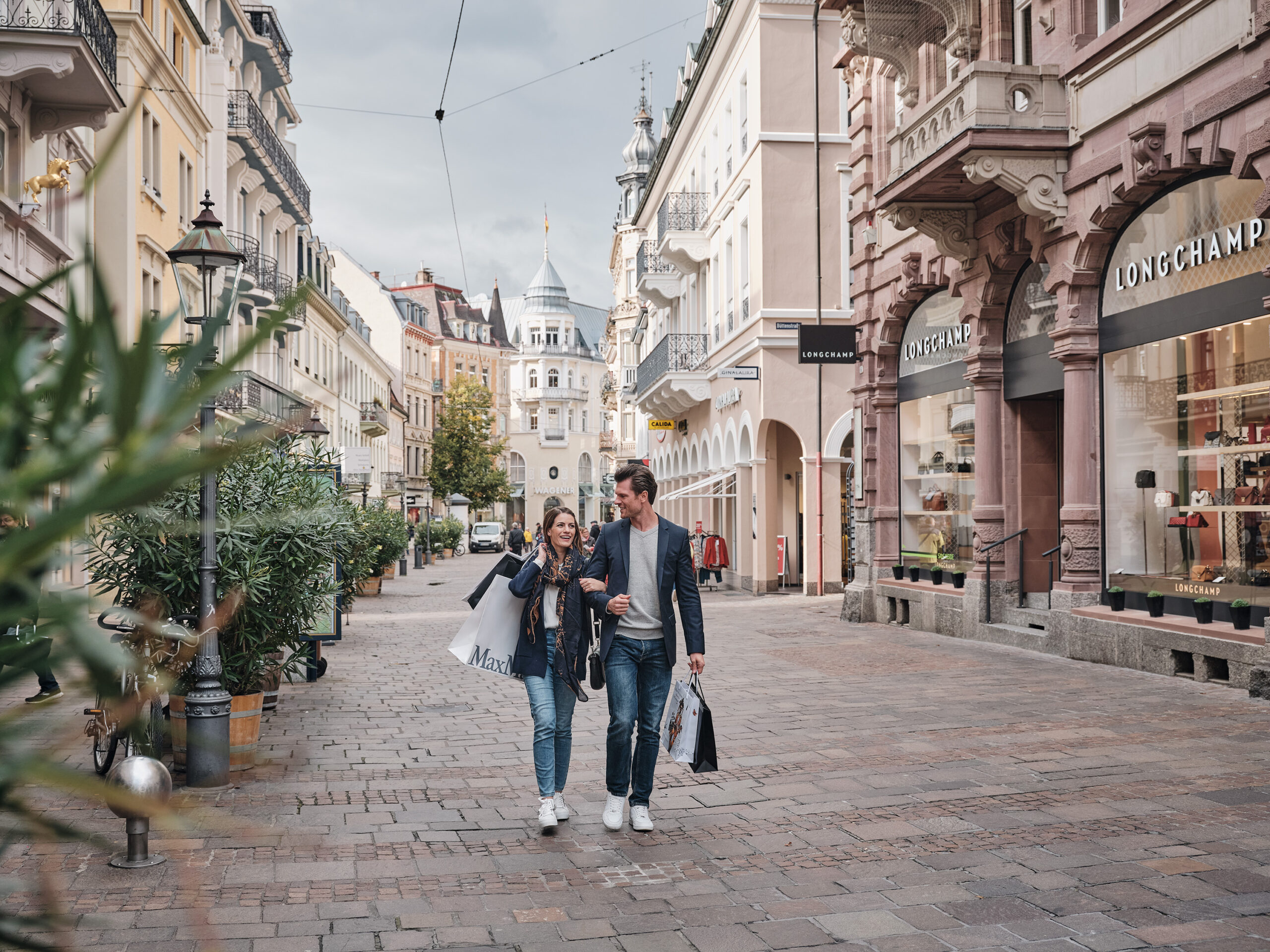
The responsible tourism movement puts people first. Local residents aren’t often thought about when it comes to tourism. Cities like Venice have seen local communities displaced by AirBnb properties and grocery stores replaced with souvenir shops.
As soon as holidaymakers remember they are visiting someone’s home, it is the first step to becoming a more responsible tourist.
By respecting the people who live in holiday destinations, choosing to visit their business or staying in locally-owned hotels, you are supporting the local community, while having a more personal experience.

Affordable
While a lot of ‘green’ travel options look like five-star eco lodges or paying for carbon offsetting, being a responsible tourist doesn’t have to be expensive.
Staying with local communities is often more affordable, and even a small amount of tourism bringing in a small amount of income can be a huge benefit to residents.
Our Guide to Responsible Tourism in
The Great Spa Towns of Europe
Being a responsible traveller is not about booking expensive eco-hotels or making one-off gestures. It’s an ongoing attitude and a conscious approach to travelling that influences the decisions we make when we holiday, from what to pack to what activities to do.