Spa Architecture
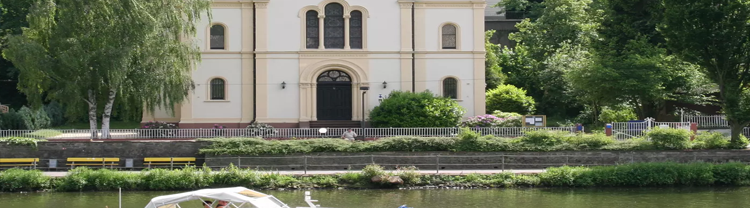
The Great Spa Towns of Europe displays exceptional examples of ‘spa architecture’ in a range of architectural styles.
‘Spa architecture’ is the collective term for the genre of buildings that provide facilities for the spa function; buildings connected to the curative waters, and buildings for sociability, leisure and pleasure that originated with the European spa phenomenon.
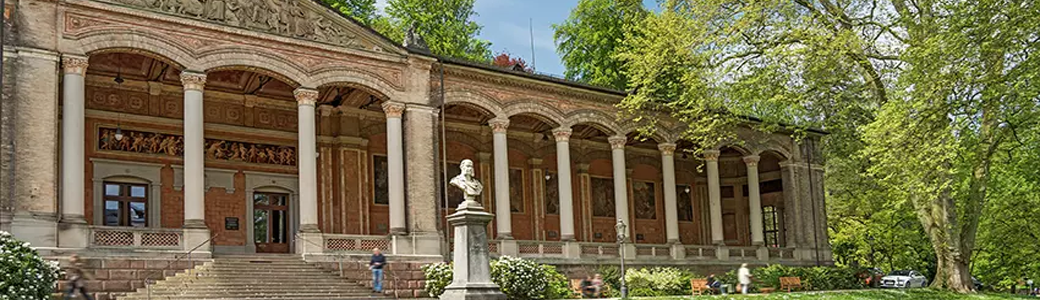
Many of the buildings are special structures that are not seen in other towns, and some ensembles of buildings in The Great Spa Towns of Europe include architectural prototypes popularised across Europe, such as the spring pavilion, pump room or trinkhalle, colonnades and galleries. These were designed to harness the natural water resources and allow its practical use for drinking, bathing and exercise as part of taking the cure.
All eleven component towns within The Great Spa Towns of Europe contain a range of architectural styles that are influenced by chronology, geography, geo-politics and local factors.
Many are designed by architects of international or national acclaim, drawing on an architectural language that reflected the then values of ‘cultured living’ in Western Europe.
The form of spa towns was intended to cultivate sociability. Characteristic are the baths and drinking halls linked to assembly rooms, colonnades, promenades parks and gardens. These spaces provided a venue to meet other visitors, to be seen, but also spaces to enjoy in moments of private tranquillity, away from the mass of visitors taking the cure, providing privacy and contemplation.
Spa buildings, social buildings, promenades and gardens had a close relationship with nature, and together they form a healing landscape. The towns of The Great Spa Towns of Europe were established, and thus evolved, as healing environments.
Buildings connected to ‘curative waters’
Spring outlets and pavilions
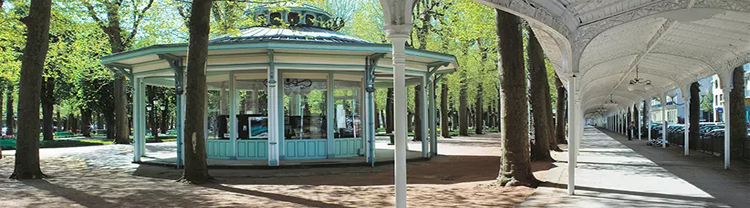
Where treatments are primarily through drinking, mineral water is provided from fountains built for the purpose. At first, these were in the open air or within small, free-standing pavilions.


Baths
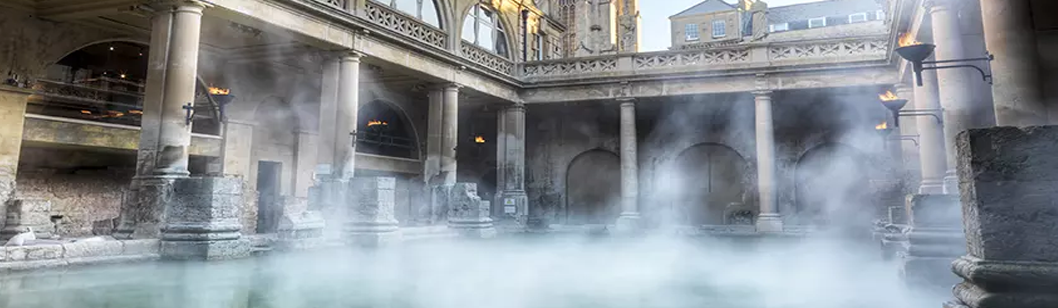
The first use of mineral and thermal water generally involved bathing, especially at spas with thermal springs. At first, this would have been in communal baths in large bath houses. This was later followed by the introduction of individual treatment rooms with individual tubs. This required changes to the design of treatment buildings, and in some spa towns, these are large palatial ensembles


Pump rooms and drinking halls (‘trinkhalle’)
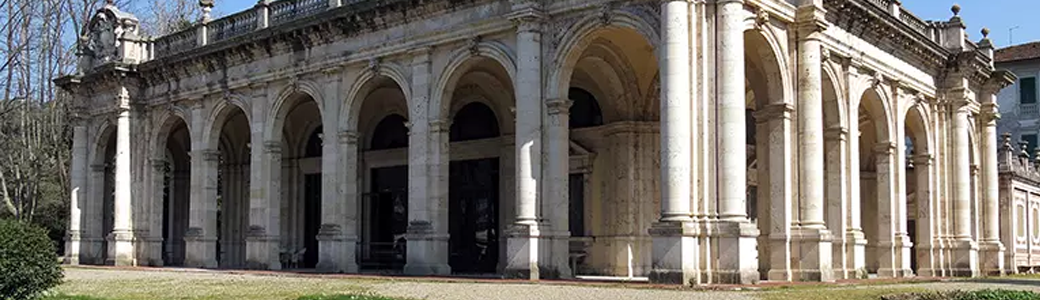
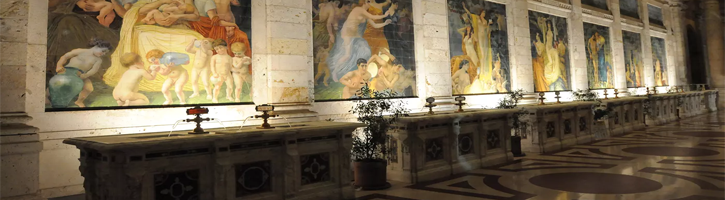
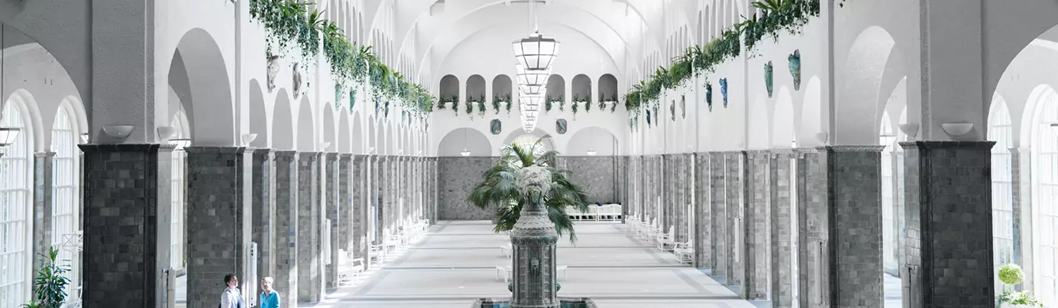
Later, drinking facilities were provided for the increasing numbers of spa guests within large purpose-built halls. In some of the towns, very large drinking halls offer a choice of different waters, each with different properties ,mineral compositions and curative uses. Large halls could also offer water to a large number of spa guests at one time.

Buildings as part of ‘taking the cure’

Social facilities and buildings for leisure and pleasure
All component towns contain substantial buildings and designed spaces for leisure, entertainment and recreation.
After baths, drinking halls and treatment rooms, the venues that hosted assemblies, balls and other social events were the most significant buildings.
Socialising and even eating together were all-important parts of the culture of ‘taking the cure’ and early facilities for mixing and socialising in conversation and assembly rooms may be found in several places.
- Bath: Assembly Rooms
- Baden-Baden: Kurhaus
- Bad Kissingen: Hotel Viktoria Dining Hall


Places for therapeutic exercise, leisure and pleasure
Exercise as part of ‘taking the cure’ commonly took the form of strolling along wide gravelled paths in landscape gardens and ‘kurgartens’.
Such public gardens within or next to the spa quarter are a prototype in the history of the garden and its function. Spa gardens were designed to be used by others, in large numbers, and for specific purposes.
Music was an essential contribution to the cure and near to the promenades are bandstands or similar pavilions from which bands played music throughout the day to the delight of visitors. Refreshments were also provided and the restaurants and kiosks can often be seen today.
In many of the spa towns, extensive landscaped gardens may be seen laid out as ‘English Gardens’ – with meandering paths, secluded bowers, seats and occasional small kiosks providing refreshments. These informal landscape settings contrast with public promenades and formal landscape designs.

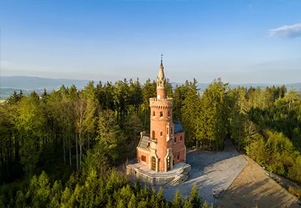

‘Diversions’
General socialising was complemented by ‘diversions’, such as casinos. Gaming and the development of casinos (and sometimes their prohibition) played an essential role in spa life. The Great Spa Towns of Europe have some of the earliest examples of casinos in the world, which were acclaimed as some of the grandest and most majestic places in Europe. Elaborate theatres, opera houses, concert halls and dance halls were also part of spa town life.


Accommodation
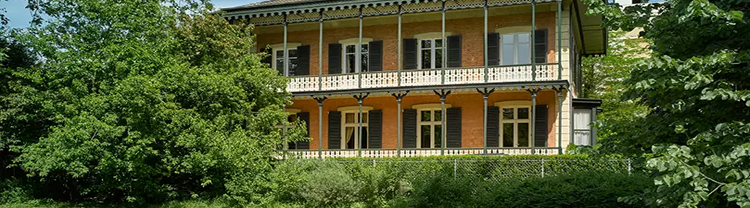
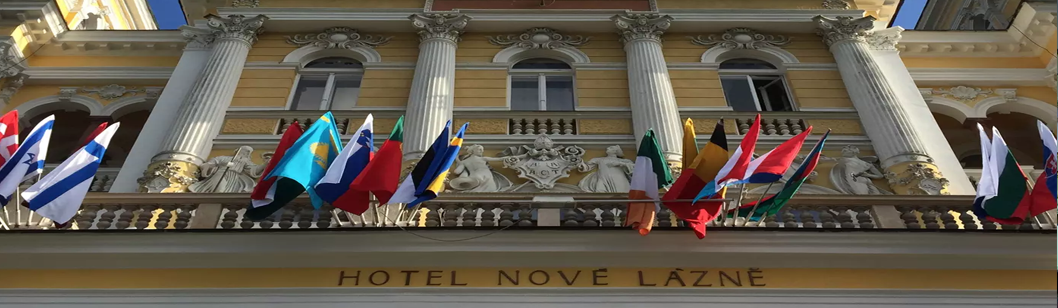
Hotels, lodging houses and villas form discrete zones, both within the urban spa quarter and the wider therapeutic landscape.
Some hotels are monumental in scale and architecture, while numerous villas display a wide range of international architectural styles. Their ubiquitous high quality, diversity of architectural style, sheer numbers and high rate of authentic preservation is a distinctive attribute of The Great Spa Towns of Europe.
From early times to the end of the 18th century, accommodation for visitors could be found in inns and lodgings. A few very old hotels survive. By the middle of the 19th century, many visitors opted for long stays in the spa, or indefinitely in villas that surrounded the spa towns. Such villas became significant by providing fashionable accommodation for middle class visitors and the elite, who required privacy or solitude for the duration of their stay.

Religious buildings and facilities
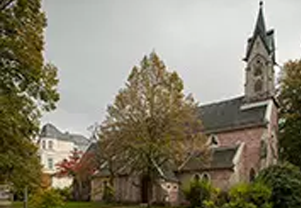
Former monasteries owned some of the springs in The Great Spa Towns of Europe. In many places, the early Church adopted a healing mission that used the spring water. Church buildings often have a close physical proximity to the spa buildings – and remain as significant landmarks.
Services, prayers and masses were included as part of the daily routine in the 18th century in churches and synagogues for both residents and spa visitors. New churches were built in the 18th and 19th centuries to accommodate the spiritual needs of an increasing number of visitors from other countries and denominations that were attracted to the spa towns. Russian churches are often notable landmarks because of their different style of architecture.
- Bad Ems: Russian Orthodox Church
- Baden-Baden: Anglican Church
- City of Bath: the Abbey, built adjacent to the Roman Baths and temple complex