

October 2025
The Great Spa Towns of Europe Association Runs First General Assembly in Bad Ems, Germany – the Town of its New Chair
For the first time, members of The Great Spa Towns of Europe Association will meet in Bad Ems, Germany, for a series of meetings and site visits, including their General Assembly on 9th October 2025. This will not just be the first time the General Assembly is held in the historic spa town of Bad Ems, but the first one that runs under the Association’s new Chair, Oliver Krügel, the Mayor of Bad Ems.
Oliver Krügel was elected as the new Chair of The Great Spa Towns of Europe in May 2025 at the General Assembly in Mariánské Lázně, Czechia, following the resignation of Stefan Szirucsek, the former Mayor of Baden bei Wien, Austria.
Three German spa towns are counted within The Great Spa Towns of Europe – Bad Ems, Bad Kissingen and Baden-Baden – which, alongside eight other spa towns, comprise a serial, transnational UNESCO World Heritage Site that spans seven European countries. Together, these eleven spa towns form one ‘property’.
The Great Spa Towns of Europe World Heritage Site has global recognition for its ‘Outstanding Universal Value’ and its role in shaping European culture. The German towns are recognised alongside Baden bei Wien, Spa, Františkovy Lázně, Karlovy Vary, Mariánské Lázně, Vichy, Montecatini Terme and the City of Bath. From the hundreds of spa towns across Europe, these eleven are the most authentic and emblematic examples of the European spa phenomenon of the 18th, 19th and early 20th centuries, which impacted political, scientific, medical, artistic, cultural and social changes in Europe.
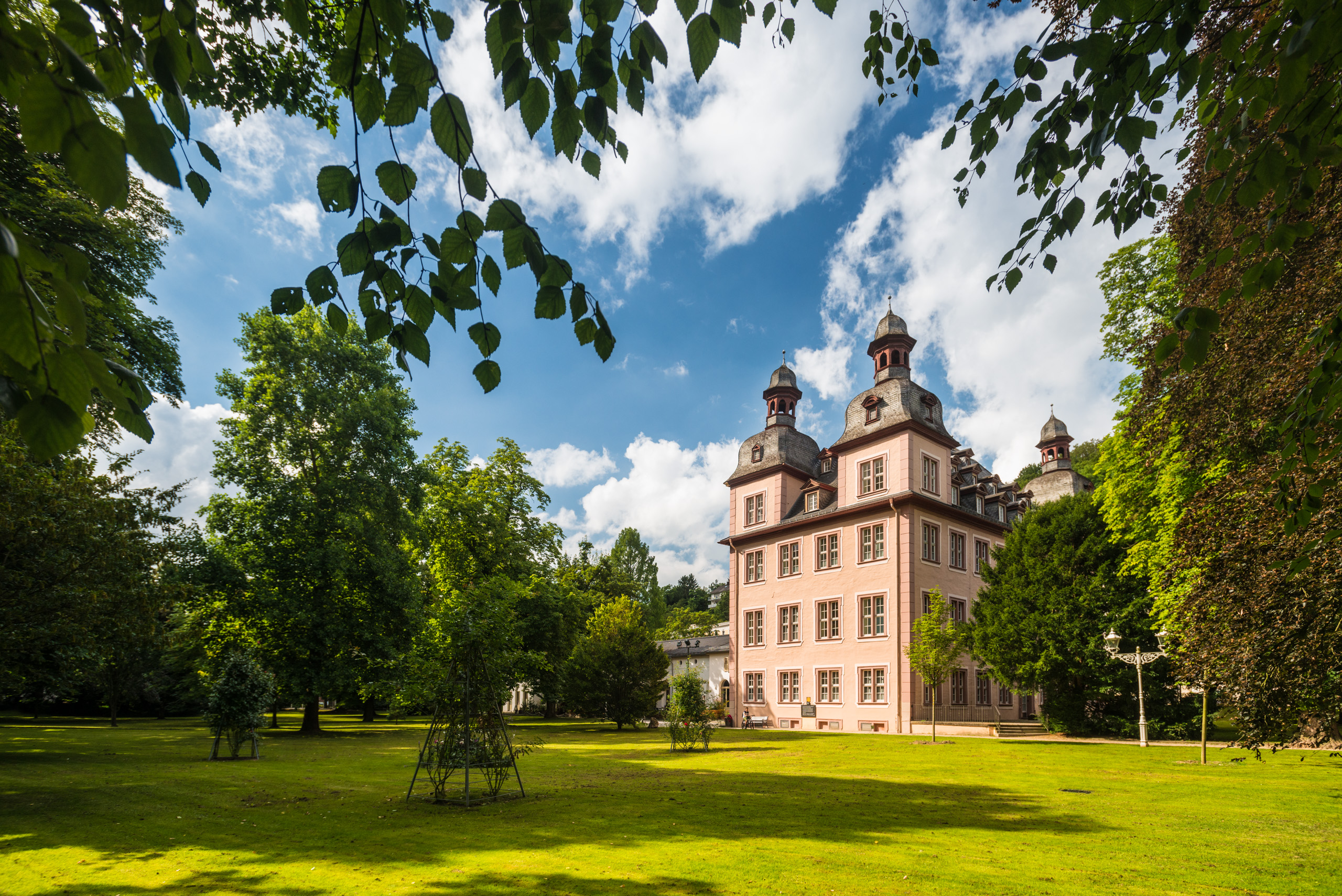
Photo of Bad Ems, spa town in Germany. Photo by Dominik Ketz.
Europe’s shared spa heritage unites countries across the continent. Built around natural sources of mineral and thermal springs, The Great Spa Towns of Europe were international hotspots for political, cultural, artistic, social and scientific developments. The innovations and social practice that occurred centuries ago within these historic spa towns have shaped modern European identity. Today, as it has in the past, spa town culture and history are not just a core part of regional identity but are a shared heritage that connect nations and forges transborder cooperation.
Making World Heritage visible and something to celebrate is an important task for the town of Bad Ems; it shows how integral spa town culture is within a nation’s entire tradition, history and identity.
Oliver Krügel, Mayor of Bad Ems and Chair of The Great Spa Towns of Europe, said:
“As we look ahead, I’m optimistic about what we can achieve together. This General Assembly gives us the chance to set a clear strategic direction for our spa towns – one that honours our heritage while embracing the future. By working together across borders, sharing our experiences and challenges, we can ensure these remarkable places continue to thrive.
The decisions we make here will shape how our communities grow and prosper for decades to come, and I’m proud that Bad Ems can play its part in hosting these vital conversations.”
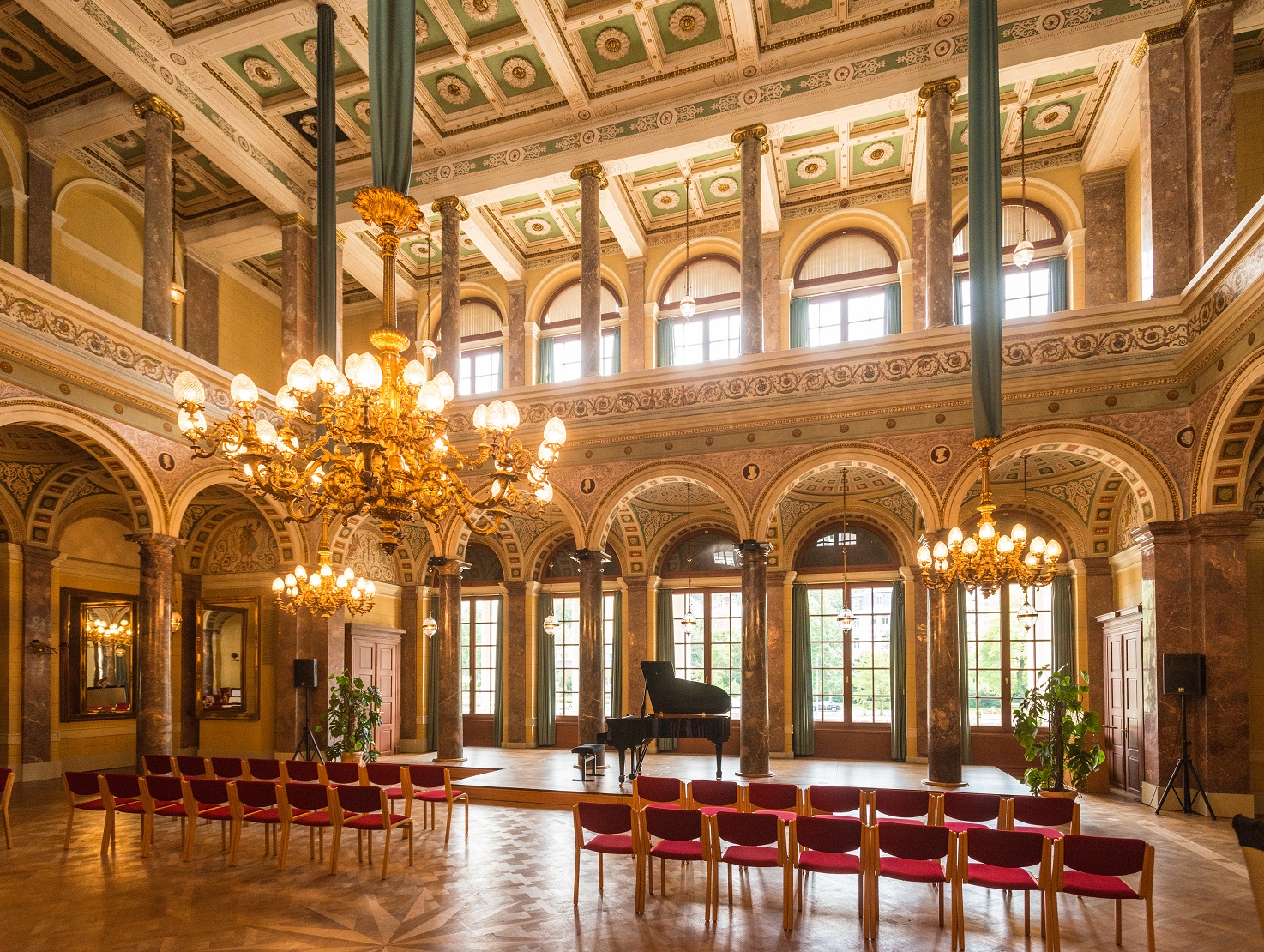
Photo of Marble Hall in Bad Ems, spa town in Germany. Photo by Dominik Ketz.
Looking Towards the Future
The Great Spa Towns of Europe’s work with children and young people also uses shared spa heritage to connect generations. Alongside members from across Europe, a representative group of young people from the new Youth Forum will be included at the General Assembly. Young people aged 12-14 years living across The Great Spa Towns of Europe created a group of spokespeople, who share the voices and values of the next generation. These young citizens are the current residents and future custodians of our World Heritage Sites. The Youth Forum brings them directly into heritage and town management, and shows how the next generation can continue to connect across borders.
As the youth of today bring their ideas, heritage experts will similarly look towards the future with visioning exercises for the Property Management Plan. Members will envision the future of The Great Spa Towns of Europe and lead the Site towards shared goals – spanning tourism, climate adaptation, economic development and celebrating heritage. A transnational World Heritage Site has unique capabilities; promoting kinship through its shared heritage and establishing valuable international networks.
Chiara Ronchini, Secretary General of The Great Spa Towns of Europe, added:
“With limited opportunities each year to convene our full membership, we’re determined to make this General Assembly as impactful as possible. We’ll be hearing valuable perspectives from our Youth Forum representatives from Mariánské Lázně about their vision for the future of spa towns as well as conducting our own strategic visioning session to chart our collective direction. With our Management Plan due for renewal by 2027, this presents the perfect opportunity to weave together insights from across generations, as we reimagine our approach to the challenges and opportunities facing our World Heritage Site.”
Delegates will be taken on city tours to discover the urban and natural heritage of Bad Ems. Various programme items take place in special monuments of the spa town, offering unique insights into its architectural highlights. On a hike through the picturesque vineyards in nearby Obernhof, delegates will learn interesting facts about the region and one of the last wine-growing areas on the Lahn.
This varied programme is possible thanks to the financial support of Bad Ems.
UNESCO World Heritage Site Inscription
The Great Spa Towns of Europe is a serial transnational UNESCO World Heritage Site, comprised of eleven historic spa towns across seven European countries. Together, these towns comprise one ‘property’.
The site was inscribed on the UNESCO World Heritage List at the 44th World Heritage Committee meeting on 24th July 2021. Inscription on the World Heritage List is the highest international recognition for global cultural and natural heritage sites.
The Great Spa Towns of Europe is recognised as having ‘Outstanding Universal Value’; a set of criteria agreed by the World Heritage Committee. These reflect the cultural and/or natural significance of a property which is so exceptional as to transcend national and temporal boundaries.
The Great Spa Towns of Europe “bear an exceptional testimony to the European spa phenomenon, which gained its highest expression from around 1700 to the 1930s”, as well as a particular urban type and form. The site has global recognition as a phenomenon that helped to shape Europe and is thus inscribed on the World Heritage List with the following criteria:
Criterion (iii) — ‘Exhibit an important interchange of human values, over a span of time or within a cultural area of the world, on development in architecture or technology, monumental arts, town-planning or landscape design.’
Criterion (iii) — ‘Bear a unique or at least exceptional testimony to a cultural tradition or to a civilization which is living or which has disappeared’.
The full statement of Outstanding Universal Value can be found HERE.
Characteristics of The Great Spa Towns of Europe
There are over 400 working spa towns across Europe but The Great Spa Towns of Europe possess particular characteristics that enable them to be included in the property. These attributes include; natural mineral springs; spa-specific urban design reflecting a typology with no earlier parallel; spa architecture; therapeutic spa landscape; spa-specific infrastructure; a continuing spa function today.
More information on the attributes of The Great Spa Towns of Europe is available HERE.
Tourism
The Great Spa Towns of Europe shaped modern health and wellness tourism, as international health resorts with no earlier parallel. The spa towns were destinations dedicated to facilitating visitors’ physical and mental rejuvenation, alongside the broader cultural practice of ‘taking the cure’.
Tourism is an integral part of the European spa phenomenon and contributes to The Great Spa Towns of Europe’s Outstanding Universal Value as a UNESCO World Heritage Site. Today, the towns continue this cultural tradition. The Great Spa Towns of Europe Association adopts a responsible tourism approach, considering how tourism impacts residents, the environment and local economy.
More information on responsible tourism is available HERE.